Unpacking Day: How We Set Up An Organized Kitchen In One Day
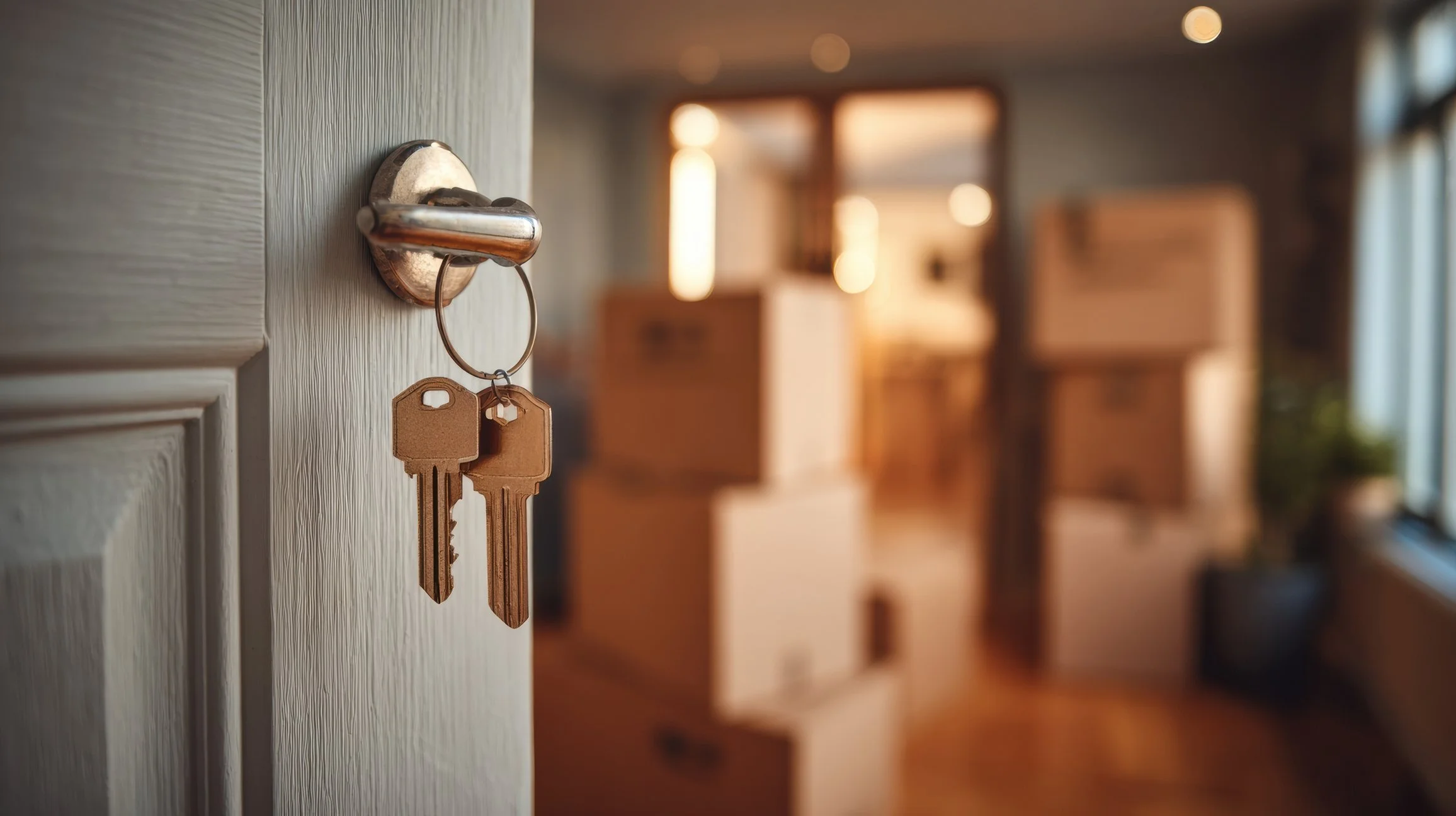
After a move, the kitchen can feel like the hardest room to face. Boxes are stacked around the table, utensils are missing, and dinner starts sounding like takeout for the next month. An organized kitchen gives you a place to make coffee, cook a meal, and settle into your new Bay Area home without digging through cardboard.
Why An Organized Kitchen Comes First
An organized kitchen matters because it supports so many small moments that make a new house feel livable. You need clean glasses, a place for groceries, and a way to make breakfast before the day gets away from you. When those basics are easy, the rest of the home feels less urgent.
We often start the unpacking process in the kitchen because it is one of the most used rooms in any home. An organized kitchen helps families return to routines faster after a move. It also keeps counters from becoming a holding area for random gadgets, unopened mail, and all the odds and ends that seem to multiply during move week.
A kitchen does not need to look like a showroom to work well. It needs to match how your household cooks, snacks, entertains, and gets through busy mornings. That is why we ask questions before opening every box. We want to know who makes coffee first, who packs lunches, and which items come out every day.
Start With A Kitchen Walkthrough
Before we unpack a single dish, we walk through the kitchen and look at the layout. We check where the dishwasher sits, where groceries enter the room, and how people move between the refrigerator, sink, and stove. These details shape an organized kitchen that feels natural from the start.
We also look at cabinet height, drawer depth, and available pantry space. A tall cabinet may be perfect for baking supplies, while a shallow drawer might make sense for foil and storage bags. An organized kitchen starts with these small choices, because the wrong placement creates extra work every day.
This walkthrough also helps us spot things that could cause frustration later. Maybe a heavy Dutch oven does not belong on a high shelf, or perhaps the coffee mugs should not be across the room from the coffee maker. We look for those little annoyances early, so the kitchen works with you from the first morning.
Open The Right Boxes First
Unpacking goes smoother when you do not open every box at once. We begin with essentials that help the household get through the first day or two. Plates, glasses, basic cookware, utensils, dish soap, and a few pantry staples come first.
As we unpack, we keep items grouped by their purpose. This prevents the familiar move day problem where a blender ends up in the bathroom and a box of forks disappears behind winter coats. An organized kitchen takes shape faster when boxes arrive labeled by room and basic category.
We also set aside items that need a decision before finding a home. Duplicate spatulas, chipped mugs, extra serving bowls, and appliances that have not been used in years can slow things down. You do not need to decide every item within thirty seconds, but a simple “keep,” “donate,” or “revisit later” area keeps the process moving.
Build Zones Around Daily Routines
An organized kitchen works best when each area supports a common activity. We create cooking zones near the stove, prep areas close to the main counter, and cleanup zones around the sink and dishwasher. This keeps daily tasks from turning into a scavenger hunt.
For a coffee station, we place mugs, filters, tea, and related supplies near the machine. For lunch packing, we keep containers, wraps, and snack items in easy-to-reach spots. An organized kitchen gives each task a home, so family members know where things belong without needing a map taped inside a cabinet.
We also think about the people using the space. Kids may need their cups and snacks on lower shelves, while rarely used serving pieces can go higher. If one person loves to bake, that supplies zone should be easy to access. These small adjustments help an organized kitchen work for the people in the home, not a generic layout.
Give Cabinets A Purpose
Cabinets often become random storage when unpacking happens too fast. We slow down long enough to decide what each cabinet should hold before filling it. An organized kitchen needs cabinet zones that make sense for cooking, cleaning, and everyday meals.
Plates and bowls often belong near the dishwasher, because unloading becomes much easier. Pots and pans belong near the stove, where cooking begins. Food storage containers work well near prep areas or close to the refrigerator. When each cabinet has a purpose, putting things away stops feeling like a puzzle.
We do not fill every inch of cabinet space. Leaving a little room helps the kitchen stay usable after groceries, gifts, and new items come into the home. Overstuffed cabinets are like suitcases that will not zip, eventually something has to give. An organized kitchen has enough breathing room for real life, not only for the day we finish unpacking.
Make Drawers Work Harder
Drawers can either save time or cause a daily eye roll. We sort utensils, tools, wraps, and small gadgets before assigning them a drawer. An organized kitchen keeps the things you use most in the easiest spots to reach.
A top drawer near the prep area might hold knives, peelers, and measuring tools. Another drawer can hold baking tools if that is part of your routine. Deep drawers are useful for pots or food containers, while shallow ones are better for flat items. We take the time to test where things fit instead of forcing every object into the first open space.
Drawer dividers can help keep categories from mixing together, though they are not always needed. In some homes, simple grouping does the trick. The goal is to help you find what you need and put it back without a second thought. That is what makes an organized kitchen easier to maintain after the first week.
Tame The Pantry Before It Gets Crowded
Pantries can go from empty to packed in one grocery trip. During unpacking, we group dry goods based on how your household uses them. Breakfast items, snacks, baking supplies, and dinner staples can each have their own shelf or area.
An organized kitchen pantry does not need matching bins from top to bottom. It needs enough structure that you can see what you have before buying another box of pasta. Clear containers may help with items like flour or cereal, while labeled baskets can help keep smaller packages together.
We keep everyday foods at eye level and place less-used items higher or lower. This makes it easier to grab what you need without digging through stacks. It also helps families notice when supplies run low. A pantry that works well can make weeknight meals feel much less chaotic.
Keep Counters Open For Real Life
Counter space is valuable, especially in Bay Area condos and apartments. An organized kitchen protects that space by moving most items into cabinets, drawers, or assigned zones. Counters should support meal prep, not become a permanent parking lot for mail, chargers, or random shopping bags.
We look at what earns a spot on the counter. A coffee maker may stay out because it gets used every day. A toaster or stand mixer might stay out if it fits your routine. Everything else should have a place nearby, so your counters stay available when you need them.
An entry drop zone outside the kitchen can keep bags and mail from spreading across counters. A small tray or wall organizer can hold items that tend to wander. These small systems protect the kitchen from becoming the home’s catch-all space.
Handle The First Week With Less Stress
The first week after a move can be messy, even with an organized kitchen in place. There will be missing items, unexpected grocery runs, and moments when nobody remembers which drawer holds the scissors. That is normal. The goal is not perfection, it is having the basics ready so daily life does not grind to a halt.
We recommend keeping a short “revisit” list for items that may need a different home after you use the kitchen for a few days. Maybe the mugs belong closer to the dishwasher, or the pantry snacks need a lower shelf. An organized kitchen can adjust with your household as you settle in.
This is also a good time to notice what you do not use. If an appliance stays packed or a stack of bowls never comes out, that is useful information. You might decide it can move to storage, get donated, or wait until a later season. Giving yourself room to make those choices takes pressure off unpacking day.
How Move Management Supports The Kitchen Setup
A well-organized kitchen is easier to create when packing begins with a plan. Before the move, we help clients group kitchen items, label boxes, and set aside essentials for the first night. That work makes unpacking feel more like a smooth handoff than a giant guessing game.
Our process outlines how we guide Bay Area clients from decluttering through packing, move coordination, unpacking, and organizing. The kitchen is one important part of that larger transition. When the move begins with thoughtful packing, we can set up an organized kitchen quickly once the boxes arrive.
We can also help clients decide what should not come into the new kitchen. Duplicates, expired food, worn tools, and oversized gadgets can take up room that the new space may not have. Editing before packing reduces clutter and helps you avoid filling cabinets with items you do not use.
When You Need Help Beyond The Kitchen
Sometimes the kitchen is only the first room on a much larger to-do list. Bedrooms need beds made, bathrooms need essentials, and closets need a workable system before life can settle down. We offer support for unpacking, home organizing, and full move management based on the needs of your project.
Our services page shares more about the ways we help clients through moves and home resets. You can bring us in for a focused kitchen setup or for broader support across the whole home. The approach stays practical and personal, because every household has different routines and priorities.
Clients often tell us the kitchen setup gives them a quick sense of relief. They can make a meal, find the silverware, and stop opening boxes at midnight looking for one clean mug. You can read more stories from families who worked with us on our testimonials page.
FAQs
-
A focused kitchen setup can often be completed within one day, depending on the size of the kitchen and number of boxes. Larger kitchens or homes with many specialty items may take longer. The goal is to get daily essentials in place first, then complete the remaining areas with a thoughtful plan.
-
Most households benefit from unpacking the kitchen early because it supports meals and daily routines. Bedrooms and bathrooms also need early attention, especially for the first night. Start with the rooms that help your family feel functional right away.
-
It is usually better to unpack and assess the space before buying containers or drawer dividers. You need to see what fits, how you use the cabinets, and what storage problems remain. Buying products too early can lead to bins that do not fit or tools you do not need.
-
Give mail, bags, and everyday items a home outside the kitchen when possible. Keep only daily-use appliances on the counters, then return everything else to cabinets or drawers. A short nightly reset helps keep the space from turning into a drop zone.
-
Yes, a professional organizer can unpack, sort, and set up an organized kitchen based on your routines. We place items in logical zones, create practical storage systems, and help you make decisions about what stays. This support can make your new home feel usable much sooner.
-
A first day kitchen box should include basic dishes, cups, utensils, a skillet, a small pot, dish soap, towels, and coffee supplies. Add any items your family uses every morning or evening. Keeping those basics together reduces stress while the rest of the kitchen comes together.
Put Dinner Back On The Table
Ready to settle into your new home with an organized kitchen that supports your routine? Contact Living Lite Organized or call (925) 236-0057 for unpacking and organizing support that helps your kitchen work from day one.