Small Space Organizing Making A San Francisco Apartment Or Condo Work
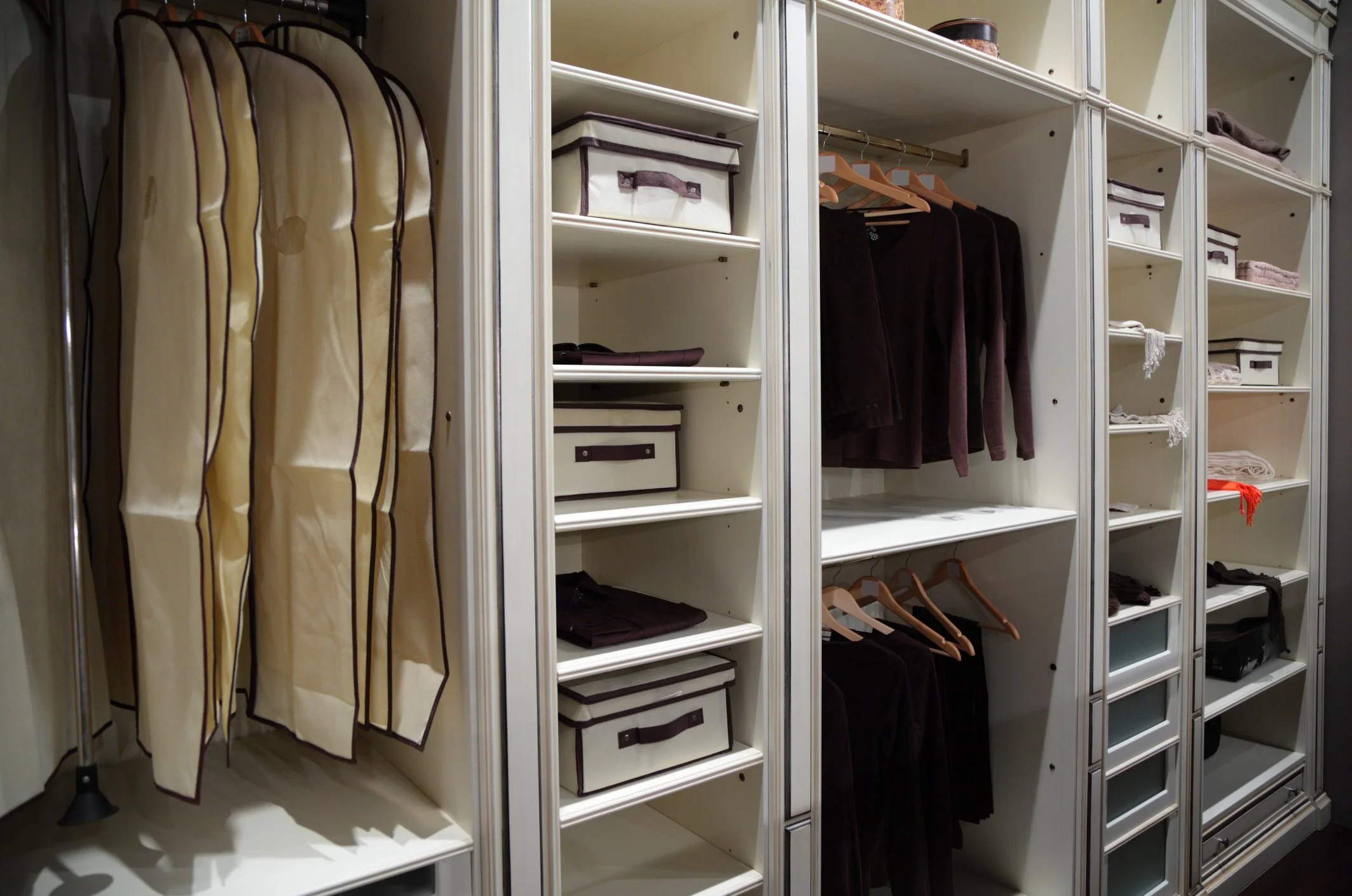
Living in San Francisco can mean enjoying great food, familiar corner stores, and homes with plenty of personality. It can also mean wondering where the vacuum, winter coats, and extra pantry items are supposed to go. Small space organizing helps your apartment or condo feel easier to live in, even when every square foot needs to earn its keep.
Why Small Space Organizing Changes Daily Life
Small space organizing is not about making your home look empty or making you give up everything you enjoy. It is about giving everyday items a place that makes sense, so your home supports your life instead of slowing it down. When keys have a home, pantry items are easy to reach, and closets do not spill onto the floor, mornings feel far less frantic.
San Francisco apartments and condos often ask rooms to pull double duty. Your bedroom may also be an office, while your dining table handles work calls and weeknight dinners. Small space organizing helps define those roles without making your home feel crowded or overly staged. A practical setup leaves room to rest, work, and welcome friends without spending twenty minutes moving piles first.
Start With What Your Home Needs
Before buying bins or rearranging furniture, take a look at how you use each room. Notice what ends up on the kitchen counter, where bags get dropped, and which spots become clutter magnets. Those patterns tell you where your home needs support.
Small space organizing starts with a simple question: What do you need this room to do every day? A kitchen might need to hold meal prep tools while still offering a place for coffee. A living room might need to host friends, work calls, and weekend movie time. When you name each room’s job, organizing decisions become much easier.
A small home cannot carry every item from every stage of life. That can be tough, especially after years in the same apartment or after a move. Start by editing things that are expired, broken, duplicated, or forgotten. Letting go of items that no longer serve you opens space for the belongings that matter most.
Make Use Of Vertical Space
When square footage is limited, the walls can do more work. Small space organizing often includes shelves, hooks, tall bookcases, and over-the-door storage. These tools take items off crowded floors and free up surfaces that are already working hard.
In a kitchen, wall-mounted storage can help hold frequently used tools or spices. A tall shelf unit in a living room can store books, baskets, and everyday supplies without taking up much floor space. Entryways also benefit from hooks for bags and coats, especially in homes where there is no real mudroom.
Be thoughtful about what goes up high. Store items used less often on top shelves, such as seasonal decorations or guest linens. Keep daily items within easy reach, so you are not climbing on a chair every time you need a frying pan. Small space organizing works best when it reduces effort instead of creating new hassles.
Create Zones That Fit Your Routine
A small room can still have more than one purpose, but each purpose needs a clear zone. Small space organizing uses furniture placement, containers, and simple boundaries to make shared rooms feel less chaotic. A desk area near a window can become a work zone, while a basket near the sofa can hold blankets or reading materials.
You do not need a big renovation to create these zones. A rug can give a seating area its own visual boundary. A small rolling cart can keep office supplies together and move away after work. A tray on a counter can turn a jumble of daily items into one contained landing spot.
The idea is to stop objects from drifting around the apartment. When items do not have a designated home, they usually land on tables, chairs, and counters. Then the room feels crowded, even if you do not own that much. Small space organizing gives those wandering items a destination, which keeps the home calmer without making it feel strict.
Make Closets Work Harder
Closets can make or break a San Francisco apartment. Many condos have limited closet space, and older buildings often come with layouts that are charming but not very generous. Small space organizing turns closets into useful storage zones instead of dark places where things vanish.
Start by removing everything from one section of the closet. Group similar items together, then decide what you wear, use, or need during the current season. This makes it easier to see duplicates and items that no longer fit your life. You might have five black sweaters because laundry day got away from you, and frankly, that happens.
Use the closet in layers. Frequently used clothes should sit at eye level, while seasonal items can go on higher shelves or under the bed. Shoe storage, hanging organizers, and labeled bins can help, but only if they fit the space and make access easier. Overloading the closet with too many containers can create a different version of the same problem.
Tame Kitchen And Pantry Clutter
Kitchens are usually the busiest room in a small home, even when they are barely large enough for two people to pass. Small space organizing can transform a kitchen by grouping tools around how you cook and setting limits on duplicate items. That means mugs near the coffee station, prep tools near your workspace, and everyday dishes close to the dishwasher or drying rack.
Take a close look at cabinets that have become a jumble. Expired food, takeout containers without lids, and duplicate utensils eat up valuable room. Edit those items before adding organizers. Once cabinets are lighter, drawer dividers and shelf risers can make the remaining items easier to use.
Pantries in city apartments can be tiny, or they may be spread across several cabinets. Group foods by category, such as breakfast items, snacks, or baking supplies. Use simple labels if they help your household keep things in the right place. Small space organizing should make putting groceries away faster, not create a system that needs a rulebook.
Plan For Moves And Building Rules
Moving into a San Francisco apartment or condo comes with its own list of details. Buildings may require elevator reservations, insurance paperwork, approved move hours, or padded elevator walls. You do not want to learn about those rules when a moving truck is circling the block.
Small space organizing can begin before move day. Review your new floor plan and measure large furniture before it gets loaded. Think about where boxes will land, because a compact apartment can become blocked fast when every box sits in the living room. Packing by room and labeling boxes well helps movers place items where they belong from the start.
We can support your move from early decluttering through unpacking and room setup. Our process page shows how we guide organizing and move management projects across the Bay Area. Having a plan before the truck arrives can save you from months of stepping around boxes that somehow became furniture.
Storage Without Overcrowding
Storage is helpful, but too much storage furniture can make a small space feel tighter. Focus on pieces that support your real needs instead of buying a container for every category. Small space organizing often works better when you edit first and add storage second.
Furniture with built-in storage can help in apartments and condos. A bed frame with drawers can hold off-season clothing, while a storage bench can support an entryway. Think about access before you buy anything. A storage ottoman is helpful if you can open it easily, not if it becomes another place where random stuff disappears.
Hidden storage works best when you give it limits. Under-bed bins can hold extra bedding or winter items, but they can become a black hole if nothing is labeled. Small space organizing should make it easy to find what you own, not give clutter a more polished hiding place.
Keep It Working After The Reset
A well-organized apartment can slowly drift back toward clutter if daily habits do not support it. The good news is that small space organizing does not require long weekend cleanouts every month. A few short routines keep the system working and make home feel easier to manage.
Spend a few minutes each evening resetting high-traffic areas. Put mail away, return items to their zones, and clear the kitchen counter before bed. Once a week, check the entryway, refrigerator, and bathroom cabinet for items that need to be put back or tossed. These small habits stop clutter from building into a project that feels impossible.
It also helps to keep a donation bag in a closet or laundry area. When a shirt does not fit, a gadget goes unused, or a book has run its course, put it in the bag. Then drop it off when the bag is full. This small practice keeps your home from getting crowded again without requiring dramatic cleanouts.
If you are ready for hands-on help, our services page explains how we support apartment organizing, decluttering, and move management. We work with your real routines, so the systems feel useful after the session ends.
Small Space Organizing For Different Homes
Noe Valley flats, Pacific Heights condos, Richmond apartments, Sunset homes, and Marina studios each bring different layouts and storage quirks. Some have tall ceilings but small closets, while others offer more closets but less kitchen storage. Small space organizing looks different in every home because your routines and floor plan matter.
For a studio, the focus may be separating sleeping, work, and relaxation areas. In a one-bedroom apartment, we might focus on closet systems, kitchen flow, and a proper entry drop zone. A compact condo can need help with shared storage, laundry supplies, and keeping larger furniture from crowding the main living area.
We do not show up with a one-size-fits-all plan. We look at where the home gets stuck and how you want to use it. Then we create systems that help your place feel more open and far less frustrating. That can mean a better kitchen drawer, a calmer closet, or a living room that does not double as a storage unit.
Our testimonials page shares feedback from clients who wanted homes that felt easier to use and maintain. Their experiences show why small changes can make a real difference in tight spaces.
FAQs
-
Start with one room or one category that creates the most stress. Remove broken items, duplicates, and things you no longer use before adding containers or shelving. Begin with practical areas like the kitchen, closet, or entryway, then build from there.
-
Yes, small space organizing can make a studio feel more open by creating zones and reducing visible clutter. Furniture placement, vertical storage, and thoughtful editing all help. The goal is to give each activity a home without crowding the room.
-
The best products depend on your room dimensions and daily routines. Drawer dividers, shelf risers, labeled bins, and over-the-door storage can help when used with purpose. Avoid buying lots of containers before you sort, since storage products cannot solve overfilled spaces.
-
Group items based on how you use them, then remove duplicates and expired foods. Use the inside of cabinet doors, vertical shelf space, and drawer dividers where helpful. Keeping counters open also makes a compact kitchen feel easier to work in.
-
Decluttering before a move is one of the best ways to start fresh in a smaller home. It reduces moving costs and leaves room for the items you use most. It also helps you avoid bringing old clutter into a space that already has limited storage.
-
A professional organizer can offer fresh ideas and hands-on help with sorting, storage, and layout decisions. We look at how you use your space and build systems around your daily habits. This can save time and make your home easier to maintain after the project ends.
Give Every Square Foot A Job
Want your San Francisco apartment or condo to feel easier to live in? Contact Living Lite Organized or call (925) 236-0057 to discuss small space organizing that makes your home work harder for you.